
Balancing an Australian pasture diet
Copper, zinc and selenium gaps are the norm here. How to correct the base of the diet before you spend anything on performance supplements.
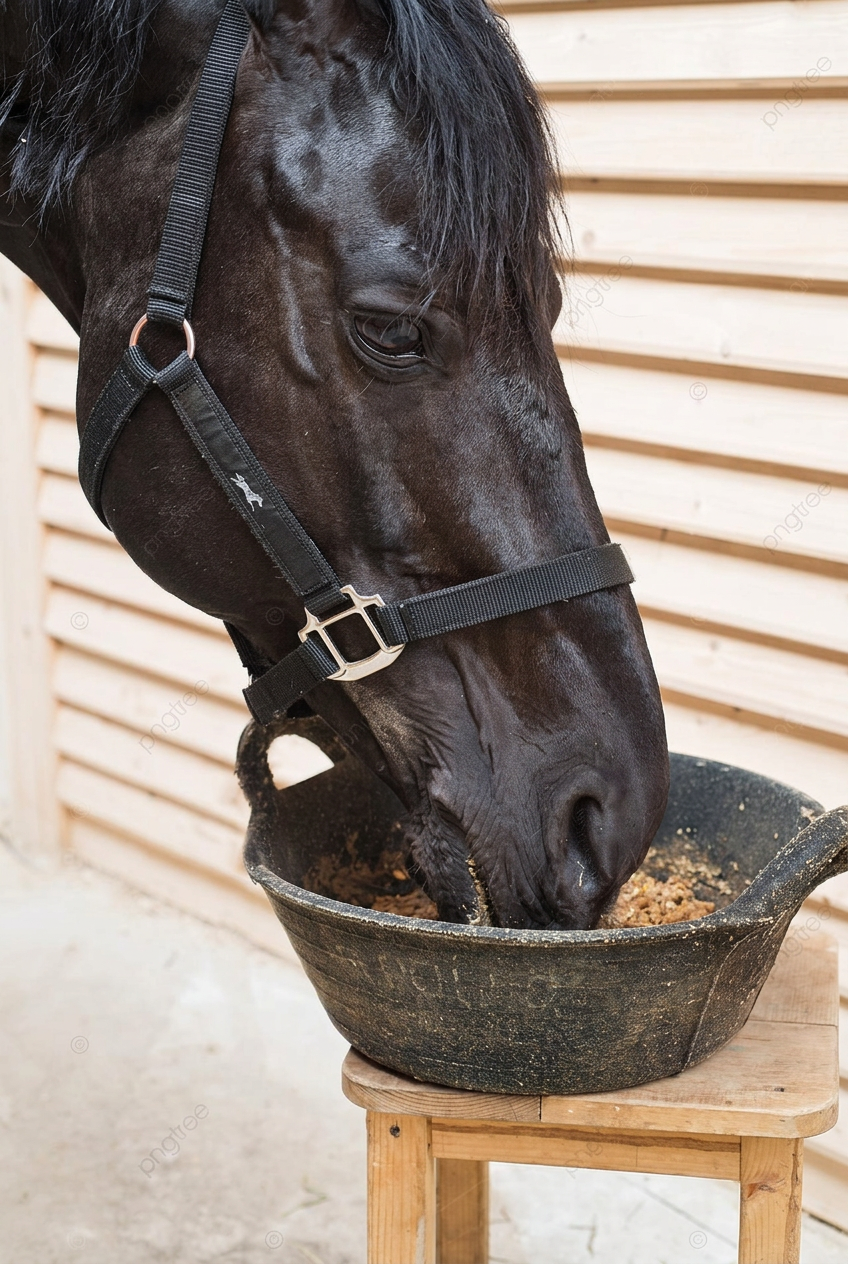
Most feed rooms are built from the top down: a problem appears, a product is added, and the pile grows. Balancing works the other way around. You start with the forage the horse is standing in, correct what it lacks, and let the rest of the diet be a short list rather than a long one.
Start with what the horse actually eats
Forage is the largest part of the diet by a wide margin, so it sets the nutritional baseline. Before changing anything, work out roughly how much pasture and hay your horse takes in each day, and what type it is. Everything else is an adjustment on top of that number.
Know the common gaps
Australian pasture is frequently low in copper, zinc and selenium, and the ratio between minerals matters as much as the raw amount. High iron and manganese in some soils compete with copper and zinc uptake, so a horse can be eating plenty of grass and still be short on trace minerals.
Fix the base before adding extras
A performance supplement layered on an unbalanced base rarely delivers what the label promises. Correct the minerals and the protein quality first, give it a full coat cycle to show, and only then judge whether a targeted product is adding anything.
Watch protein quality, not just quantity
Mature, stalky pasture can supply bulk without the amino acids needed for topline and hoof growth. A horse with plenty of grass in front of it but a poor topline is often short on quality protein rather than calories.
Change one thing at a time
Introduce a new feed or supplement on its own, over seven to ten days, and keep notes. If you change three things at once you will never know which one helped, and you will keep paying for the two that did not.
When to call the vet
- Rapid or severe unexplained weight loss, weakness or collapse.
- Refusal to eat or drink, repeated colic signs, or difficulty swallowing.
- A severe reaction after a new feed or supplement, including breathing difficulty or marked facial swelling.
This guide is general horsemanship information and does not replace advice from your vet. Routine diet balancing can be discussed with an equine nutritionist.